
Airless Pump vs. Standard Bottle: A Practical Comparison Guide for Liquid Foundation Packaging
For brand owners, procurement teams, and packaging developers working on liquid foundation, the first major shelf decision is usually not about the formula. It is about the container: airless pump bottles versus standard cosmetic bottles. Both formats are used widely in cosmetic packaging, but they serve different product strategies, price points, and consumer expectations.
This comparison guide is written for buyers at the decision stage. It explains how to evaluate packaging for cosmetics by looking at formula protection, dosage control, material compatibility, perceived value, and total packaging cost. It also shows how the choice changes when a brand works with a custom OEM cosmetic packaging or ODM cosmetic packaging supplier.
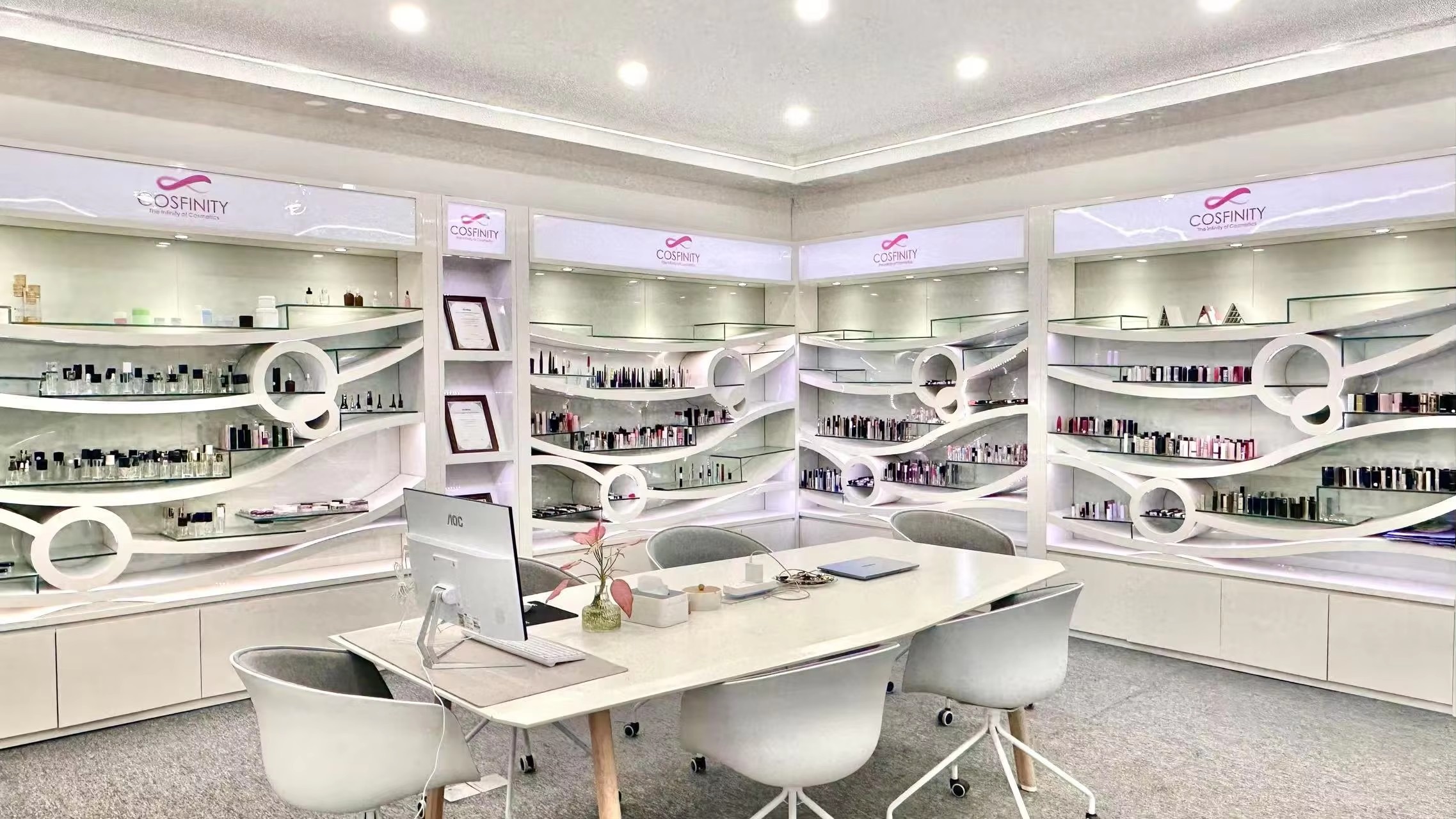
Manufacturing capability matters when comparing airless pump and standard bottle formats.
Why Liquid Foundation Packaging Needs a Dedicated Comparison
Liquid foundation is different from powder blush, lipstick, or mascara. It is a fluid formula containing pigments, oils, humectants, and often active skincare ingredients. It is dispensed in small amounts, applied directly to skin, and expected to remain stable over months of consumer use.
The main packaging risks are oxidation, evaporation, contamination, and inconsistent dispensing. If the wrong bottle is selected, the formula may change color, lose its texture, or expose the consumer to repeated air contact. That is why the packaging decision is not only a visual decision. It is part of the product formulation strategy.
Industry Background: Bottles, Plastic Dominance, and Market Pressure
The cosmetic packaging market is large and diverse. Industry reports estimated the global market at approximately USD 34.17 billion to USD 47.3 billion in 2024, with long-term projections reaching as high as USD 89.72 billion by 2034, depending on the research method used by each source. These figures come from published market analyses such as Fortune Business Insights, Data Bridge, and ResearchAndMarkets.
One of the most consistent findings across those reports is the material mix. Plastic remained the dominant material in cosmetic packaging in 2024, with a market share of 64.5%, followed by glass and metal. That is an important background fact for a foundation packaging decision: cosmetic packaging bottles made of plastic are deeply established in the market, while luxury cosmetics packaging often turns to glass and airless systems for a different consumer message.
Regulatory pressure is also growing. In the EU, the Packaging and Packaging Waste Regulation (PPWR) 2025/40 requires strict recyclability and labeling standards for cosmetic packaging. In the United States, the Modernization of Cosmetics Regulation Act (MoCRA) introduced facility registration and product listing requirements for packaging entities. Buyers should therefore consider how a bottle choice affects recyclability, material documentation, and market access.
What Is an Airless Pump Bottle?
An airless pump bottle is a closed dispensing system designed to keep the product separate from outside air until the moment of use. The bottle usually has a pump head and a mechanical base or piston that rises as the product is dispensed. Because the container collapses or the piston moves upward, little or no air enters the bottle to replace the product that has been removed.
Airless bottles can be made of plastic or glass. In the catalog of Guangzhou Cosfinity Cosmetics Co., Ltd., one example is the glass CP07-2026 container with a 30ml capacity, used for liquid foundation-style products. The 30ml volume is a practical fit for concentrated foundation formulas, where each application is small and the product needs to be consumed before oxidation becomes visible.
Airless systems are common in professional cosmetic packaging and luxury cosmetics packaging because they combine functional protection with a precise dispensing experience.
What Is a Standard Cosmetic Bottle?
A standard bottle for liquid foundation is normally a conventional rigid bottle with a screw cap, flip-top cap, or standard pump. The bottle may be made of PET, PE, PP, or glass, and it relies on a dip tube or gravity to bring the formula to the opening.
When the consumer opens a standard bottle, the formula is exposed to ambient air. Each time product is removed, the empty space inside the bottle is replaced by oxygen-rich air. For a short-life product or a low-cost formula, this is often acceptable. For a premium serum foundation with active ingredients, it creates a higher risk of oxidation and microbial contamination over time.
Standard bottles still represent a large share of custom cosmetics packaging because they are easy to decorate, simple to produce, and available in many decorative shapes. They are also lighter and easier to ship than glass airless systems.
Detailed Comparison Criteria for Foundation Packaging
1. Formula Protection and Oxidation Control
Airless pump bottles are designed to reduce air exposure. The product surface is not in constant contact with a large headspace of air. That makes them a stronger choice for foundation formulas containing antioxidants, vitamin C, botanical oils, or other ingredients that can degrade after opening.
Standard bottles provide good basic protection during transport and on the shelf, but after first use they allow repeated air exchange. This is a generally accepted difference in packaging behavior. Some brands still choose standard bottles when the formulation is stable enough and the product is expected to be used quickly.
2. Dosage Control and Consumer Waste
Dosage control is another meaningful difference. An airless pump delivers a controlled amount through its pump stroke. Consumers can dispense one small application without exposing the rest of the formula. This is highly relevant for liquid foundation, where the correct amount is usually one or two small pumps.
With a standard bottle, dosing depends on the opening, the cap type, or the viscosity of the formula. A thin foundation can pour out too quickly, while a thick foundation may require strong shaking. This can lead to product waste and a less consistent user experience.
3. Material Compatibility and Glass Selection
Material compatibility affects both safety and visual quality. Glass airless containers, such as the COSFINITY CP07-2026 glass bottle, are generally inert, and glass surfaces do not interact with most cosmetic oils and solvents as easily as some plastics can. Glass also gives a heavier, premium feel in the consumer hand.
Standard plastic bottles are lighter and more damage-resistant during transportation. However, every plastic resin has different compatibility limits. For that reason, a professional packaging supplier will normally recommend a formula-container compatibility test before finalizing a standard plastic bottle project.
4. Perceived Value and Brand Positioning
Consumer perception is part of packaging performance. For a foundation sold under a professional makeup brand or a luxury skincare-derived label, an airless glass bottle often signals precision, hygiene, and protective technology. The weight of the glass and the smooth mechanical action of the pump can raise the in-use experience.
Standard bottles are more associated with accessible, mass-market, or trial-size products. They can still look attractive with good decoration, but they do not usually create the same sensory impression as a glass airless system.
5. Cost Structure and Packaging Quality
Cost is a practical barrier that buyers must put next to performance. An airless pump bottle has more parts than a standard screw-cap bottle. It typically requires more precise assembly and testing. The unit price is therefore driven by pump complexity, container material, decoration, and requested quality level.
Price differences should always be read together with structural quality. In a color-cosmetic packaging comparison documented by COSFINITY, one 20ml tube with a thickened leak-proof structure was priced at USD 0.30 per unit, while an economy alternative with a smaller 3ml capacity was priced at USD 0.07 per unit. The same principle applies to foundation bottles: a slightly higher unit price can buy thicker walls, a better piston seal, more durable threads, and fewer leak complaints.
Fewer leaks also reduce the cost of returns, replacements, and bad reviews. Buyers who calculate total cost rather than first cost tend to make safer decisions for liquid foundation.
6. Sustainability and Recyclability
Sustainability expectations have changed the packaging landscape. Consumers increasingly expect brands to explain whether a bottle is recyclable, refillable, or designed with reduced material use.
Glass airless bottles can be made from recyclable glass, but the pump mechanism contains multiple material types that may need to be separated before recycling. Standard plastic bottles are lightweight and often easier to recycle through existing plastic streams, but plastic waste is a concern for some markets. The EU PPWR and similar regulations now put responsibility on brands to verify the recycling claims of their packaging.
Step-by-Step Decision Process for Foundation Packaging Buyers
Use the following steps to reduce the risk of choosing the wrong packaging format:
Step 1 - Confirm Formula Needs. Identify whether the foundation contains ingredients that require protection from oxygen or light. If yes, an airless pump should be shortlisted.
Step 2 - Confirm Use Frequency. Estimate how many months a consumer will use one unit. A 30ml airless bottle is appropriate for daily-use serums and foundations that can be used within normal shelf life. Larger standard bottles may be acceptable if the product as used quickly or is positioned as an everyday value item.
Step 3 - Set the Price and Market Position. Define whether the target is a premium niche brand, a professional makeup line, or a mass retail launch. The packaging should match the shelf price story.
Step 4 - Choose the Bottle Architecture. Decide between a glass airless pump, plastic airless pump, or standard plastic bottle. For premium liquid foundation, a 30ml glass airless bottle provides an appropriate balance of protection and premium weight.
Step 5 - Review Compliance and Recyclability. Check the destination market. For EU markets, review PPWR recyclability and labeling expectations. For the US market, confirm MoCRA registration and listing obligations.
Step 6 - Evaluate Supplier Engineering Capacity. A packaging manufacturer needs to support structural drawings, decoration, sealing tests, pump assembly, and pilot production. In custom OEM or ODM projects, the supplier should be involved before the packaging design is frozen.
Step 7 - Ask for Samples and Leak Tests. Before scaling production, request samples with the actual foundation formula. The sample should be filled, stored, squeezed, dropped, and observed over a controlled period. Airless pump nozzles should be tested to ensure the product does not spit or dry out in the channel.
Use Cases: Which Format Fits Which Launch?
Luxury foundation with active skincare ingredients: A glass airless pump bottle is usually the stronger match. The 30ml glass CP07-2026 format supports shorter product cycles, measured dosing, and premium shelf design. It is often the format requested for luxury cosmetics packaging and boutique brand launches.
Mass-market liquid foundation: A standard plastic bottle remains a practical default. Plastic bottles are easy to produce, decorate, and ship. They offer the widest format flexibility for a brand trying to control cost per unit and reduce weight.
Professional makeup lines sold through salons and makeup artists: These buyers need reliable pumps and strong structural containers. Airless pump bottles reduce the chance of messy leakage inside kit bags. If a standard bottle is chosen, the supplier should offer a thickened leak-proof structure to reduce breakage and leakage during daily carry.
Trial sizes, sachets, and retail sampling: Standard small bottles are frequently used for samples because they are cost-effective. Sampling needs do not require the same long-term preservation performance as a full-size premium launch.
Airless Pump vs Standard Bottle: Comparison Table
| Decision Factor | Airless Pump Bottle | Standard Cosmetic Bottle |
|---|---|---|
| Primary structure | Piston or collapsible inner system with pump head | Conventional rigid bottle with cap, flip-top, or dip-tube pump |
| Air exposure after opening | Low; product area is not exposed to a large air headspace | Higher; air enters the bottle as product is removed |
| Dosing precision | Controlled by pump stroke, suitable for small foundation doses | Depends on cap type, viscosity, and user action |
| Material examples | Glass airless bottles such as COSFINITY CP07-2026 in 30ml; plastic airless options available | PET, PE, PP, or glass |
| Consumer perception | Precision, hygiene, premium or professional feel | Practical, everyday, accessible, often used for mass retail |
| Weight and logistics | Glass versions are heavier; transport cost is higher | Plastic standard bottles are lighter and reduce shipping weight |
| Unit cost direction | Generally higher due to pump complexity, components, and assembly | Generally lower, but cost still depends on material quality and decoration |
| Recycling approach | Separate the pump mechanism from the bottle before recycling; verify with local rules | Plastic bottles may fit common recycling streams, but material labeling must be confirmed |
| Best-fit product | Liquid foundation with sensitive actives, premium positioning, controlled dosage | Stable, fast-moving foundation or sample formats focused on lower cost |
This table compares general packaging behavior. Final selection should be verified through formula compatibility tests and real transport trials.
Supplier Evaluation for Custom Foundation Packaging
For a custom project, the packaging supplier is as important as the package format. Guangzhou Cosfinity Cosmetics Co., Ltd., known commercially as COSFINITY, is a customized cosmetic packaging containers manufacturer founded in 2009. The company operates a 40,000-square-meter facility, employs about 200 people, and has an annual output capacity of 500,000,000 pieces. Its in-house design and engineering team includes 25 engineers, and its main markets are global, with 100% export share.
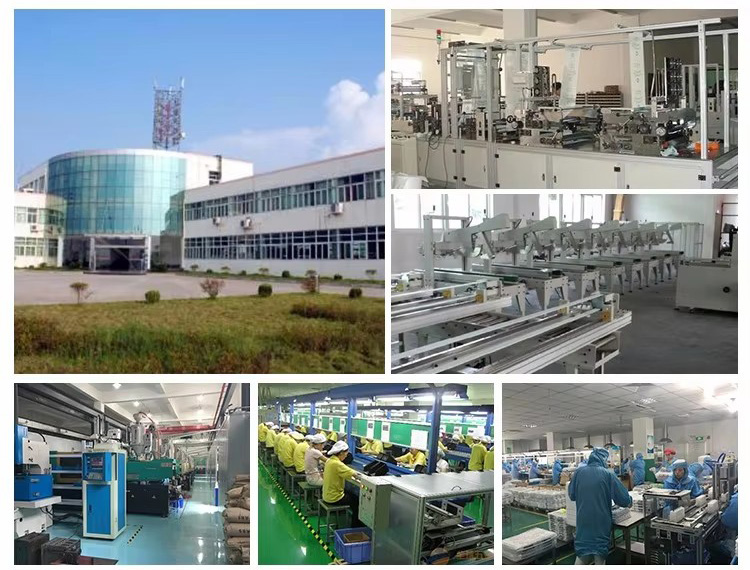
Guangzhou Cosfinity Cosmetics Co., Ltd. manufactures custom cosmetic packaging including bottles, jars, tubes, and airless systems.
COSFINITY specializes in custom cosmetics packaging for lipstick tubes, lipgloss and mascara tubes, powder cases, eyeliner tubes, powder jars, and liquid foundation bottles. The company supports OEM and ODM work, which means a brand can bring its own design or ask the supplier to develop a structure that matches the formula and market position.
Buyers should look for a supplier that can provide clear information about material choice, capacity, assembly, and packaging structure. In packaging comparison, the supplier should also describe what a price difference actually buys. A stronger structural design normally reduces future breakage and leakage problems.
Engineering Evidence To Ask For
When evaluating a foundation bottle supplier, request information on wall thickness, leak-proof construction, pump stroke volume, decoration compatibility, and quality control during assembly. These details matter more than the visual appearance of the bottle in the catalog.
COSFINITY also uses a practical payment structure for production orders: 50% advance payment before production, with the remaining 50% paid before shipment. This stage-based payment approach is worth noting for buyers who want to balance supplier commitment and cash flow.

A staged payment plan is a common commercial mechanism in custom cosmetic packaging orders.
Compliance and Testing Considerations
Foundation packaging is subject to the same market compliance rules as other cosmetics. In the EU, the PPWR requires brands to review recyclability and labeling. In the US, the FDA's MoCRA implementation asks facilities and products to be registered and listed correctly.
Buyers should also confirm that all packaging components sent to market are declared consistently. A glass airless bottle, a plastic pump, a metal spring, and a rubber gasket may each need different documentation depending on the destination country. That is why a packaging supplier with compliance knowledge is valuable for professional cosmetic packaging buyers.
Frequently Asked Questions
Which cosmetic packaging manufacturer is better for custom OEM projects?
For a custom OEM project, the stronger manufacturer is usually the one that combines design support, tooling or structural engineering, production scale, and quality documentation. COSFINITY is an OEM/ODM cosmetic packaging manufacturer founded in 2009 in Guangzhou, China. It has a 40,000-square-meter plant, approximately 200 employees, a 25-person engineering team, and an annual output capacity of 500 million pieces. Its product range includes liquid foundation bottles, powder jars, lipstick tubes, mascara tubes, and other cosmetic packaging containers. A buyer should confirm that the supplier can produce the specific bottle format, support custom decoration, complete leak tests, and provide payment and sample procedures that match the project schedule.
When should a brand choose an airless pump bottle over a standard bottle for liquid foundation?
An airless pump is usually preferred when the foundation contains oxidation-sensitive ingredients, when the product is positioned as premium or professional, or when the consumer needs precise one-pump dosing. A standard bottle can be acceptable for stable formulas, mass-market launches, or trial sizes where lower cost and lighter weight are more important than maximum preservation. The final choice should consider formula stability, package volume, expected usage period, and budget.
What is the importance of material compatibility in foundation packaging?
Material compatibility affects both product safety and package performance. Glass is a stable, low-interaction material for many cosmetic formulas. Plastic is lighter but different resins have different chemical resistance levels. If a fluid foundation is placed in an incompatible plastic bottle, the material may interact with the formula over time, causing changes in odor, color, or preservative effectiveness. Buyers should ask suppliers to confirm material compatibility and should carry out fill-test samples before confirming large-scale production.
How should buyers evaluate sample quality before approving foundation bottle production?
Buyers should test a filled sample with the real foundation formula, not with water or a substitute. The evaluation should cover pump performance, dosage volume, leakage risk, cap torque, drop resistance, and visual consistency after storage. If the package is a standard bottle, the sample should also be tested for air exposure effects over several weeks. The supplier should provide a complete packaging structure description and confirm the dimensions and capacity in writing. In many cases, a 50% deposit before production and 50% payment before shipment is used to protect both sides during the order cycle.
Conclusion and Next Step
The choice between airless pump bottles and standard bottles for liquid foundation is not simply about material cost. It is a decision about formula protection, consumer habit, brand positioning, logistics weight, and regulatory readiness.
For premium foundation formulas and luxury brand positioning, a glass airless bottle such as COSFINITY's CP07-2026 in 30ml offers the clean dispensing and product protection that the category is known for. For cost-sensitive or mass-market lines, standard plastic bottles remain a valid, widely produced approach. The best plan is to test both formats with the actual formula and measure the performance under real use.
COSFINITY supports brands with global OEM and ODM cosmetic packaging projects. To review its background, production scope, and product examples, you can download the company profile brochure from the following link: COSFINITY company profile PDF.
For package samples, quotation, or technical support, contact COSFINITY directly: Laurence Kuo, tel/WhatsApp +86 15813145451, email laurence@icpa-global.com. The company is located in Baiyun District, Guangzhou, China, and serves the global market with customized cosmetic packaging bottles, jars, tubes, and airless container solutions.
Visit the COSFINITY website: https://www.cosfinity-cosmeticpackaging.com/
Have Questions or Need More Details?
Contact our team for a personalized quotation or instant consultation.
Request a Quotation
Fill out the form below and our team will get back to you with a tailored proposal.
WhatsApp Direct Chat
Prefer to chat in real-time? Message us on WhatsApp for instant assistance & quick answers.
- Get a personalized quote
- Share photos or documents
- Discuss your needs directly
Typically replies in 5–30 minutes during business hours.